Switch Junk into Useful Assets: Discover the Hidden Value in Electronics Recycling
Electronics reprocessing is an important system that converts discarded devices into useful materials. It addresses the growing problem of e-waste while retrieving precious materials. This practice not only safeguards the ecosystem but also boosts local economies. As communities seek sustainable solutions, the hidden value in discarded gadgets becomes increasingly apparent. What exists within these discarded items, and how can they be turned into opportunities for a better future?
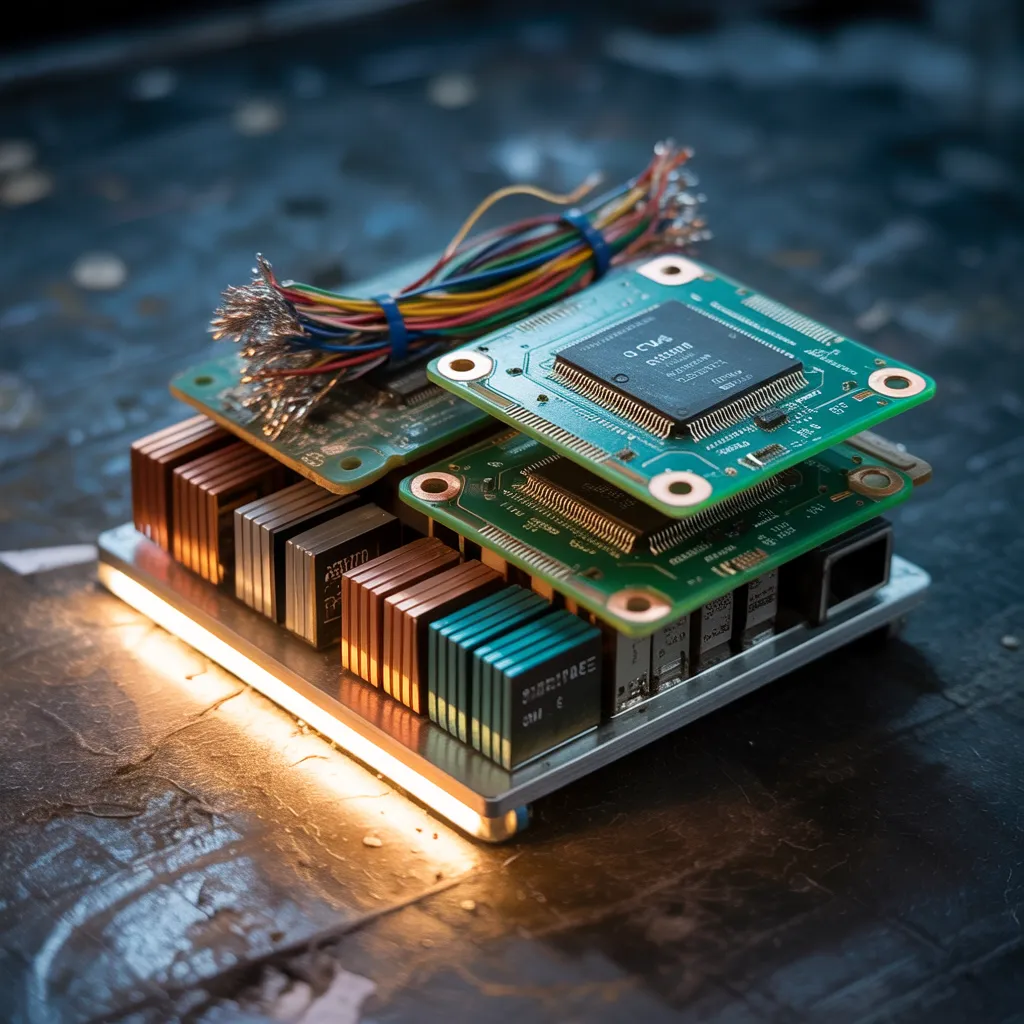
The Environmental Consequences of E-Waste
As e-waste continues to accumulate globally, its environmental impact becomes increasingly evident. Discarded electronics often hold hazardous materials like lead, mercury, and cadmium, which can leach into soil and water systems, posing significant risks to ecosystems and human health. The improper disposal of e-waste contributes to pollution, affecting air quality and polluting local water supplies. Additionally, the incineration of e-waste emits toxic emissions, further exacerbating environmental degradation.
Landfills overflowing with e-waste generate extended ecological threats, as these materials can take centuries to decompose. The rising volume of e-waste not only threatens biodiversity but also strains natural resources as more mining is required for new materials. Responsible recycling practices can mitigate these effects, permitting improved waste management and resource recovery. As awareness of these impacts grows, the need for comprehensive waste management strategies becomes imperative for a resilient future.
What Valuable Materials Are Contained in Your Old Electronics?
Older electronics store a treasure trove of prized components, regularly underestimated by people. Examples including smartphones, laptops, and televisions possess valuable elements including gold, silver, and palladium, which are necessary for electronic boards and connectors. In addition, copper find out about this wiring, situated in several electronics, carries substantial recycling value owing to its conductivity and demand throughout various industries.
Rare earth elements, such as neodymium and dysprosium, are required for potent magnets in speakers and hard drives, contributing to their valuable market standing. In addition, batteries in electronic devices commonly feature lithium, cobalt, and nickel—materials indispensable for energy storage and electric vehicle production.
The Method of Electronics Recycling
Electronics recycling involves a systematic approach to handling discarded devices. The process starts with the gathering and delivery of old electronics, followed by dismantling and sorting to separate components. Ultimately, valuable materials are recovered for reuse, supporting resource conservation and environmental protection.
Collection and Transportation Process
The collection and transportation operation of e-waste recycling begins with public participation and awareness campaigns that inspire customers to correctly dispose of their obsolete devices. Municipal governments, nonprofit entities, and waste recycling firms often partner together to create collection points, like designated drop-off areas or scheduled collection events. These initiatives work to make recycling accessible and convenient for the public.
Once collected, the electronics are safely conveyed to specialized recycling facilities, confirming they are treated carefully to minimize environmental impact. Efficient logistics are essential, as they help optimize the flow of materials while reducing carbon footprints. Proper documentation goes along with the conveyed goods to track their journey, maintaining transparency throughout the recycling process.
Disassembling and Categorizing Approaches
Upon arrival at recycling facilities, collected devices undergo a thorough dismantling process. Expert technicians carefully disassemble electronics, dividing components such as circuit boards, batteries, and plastics. This process often involves the use of specialized tools to ensure safety and efficiency. Each component is examined and categorized based on material type and potential for repurposing or recycling.
Manual disassembly is backed up by automated machinery, which helps with sorting larger volumes of devices. As the components are organized, harmful materials, such as lead or mercury, are isolated for safe disposal. This systematic approach guarantees that valuable materials are preserved while minimizing environmental hazards, laying the groundwork for the next stage of the recycling process.
Reclamation of High-Value Materials
Recovering precious resources from dismantled electronics involves a sequence of exact procedures designed to maximize resource extraction. After classification, parts are exposed to physical and chemical processes that separate metals, glass, and plastics. Methods such as shredding and granulation decompose materials into reduced fragments, facilitating the recovery of valuable metals like gold, silver, and copper. Sophisticated techniques, including hydrometallurgy and pyrometallurgy, are employed to recover these metals from their ores. Additionally, critical elements, essential for modern technology, are also recovered. By optimizing these recovery processes, recycling facilities can greatly reduce waste and provide essential resources back into the production process. This not only preserves natural resources but also supports a circular economy.
The Advantages of Reusing Electronics for Your Local Community
Recycling electronic devices offers substantial advantages for communities in the area. It can boost economic development by generating new business opportunities and fostering employment growth in the recycling sector. Additionally, better environmental conditions results from reducing e-waste, benefiting both local inhabitants and local ecosystems.
Economic Development Avenues
Transforming electronic waste into valuable materials opens up significant financial growth opportunities for local communities. By establishing recycling programs, communities can create jobs in gathering, handling, and selling of recovered materials. These initiatives not only reduce joblessness rates but also foster new skills development in the workforce. Local businesses can thrive as they capitalize on the demand for recycled materials, which are increasingly sought after in manufacturing sectors. Moreover, as communities embrace electronics recycling, they can attract investment from green technology firms, enhancing economic diversification. The increased engagement in recycling initiatives can stimulate local economies, encouraging residents to participate actively, thereby reinforcing a culture of sustainability while driving growth and innovation.
Environmental Health Advancement
Electronics reprocessing significantly improves environmental health within local neighborhoods. By correctly handling electronic waste, dangerous materials such as lead, mercury, and cadmium are prevented from contaminating soil and water sources. This decreases the risk of toxic exposure for residents, promoting overall neighborhood health. Additionally, waste recovery initiatives can reduce landfill overflow, preserving valuable land and reducing greenhouse gas emissions associated with waste decomposition. Effective reprocessing programs encourage local involvement, fostering awareness of environmental issues and supporting sustainable practices. As communities implement these programs, they experience improved environments and enhanced public health, ultimately leading to a more dynamic environment. The combined effects of these practices contribute considerably to the future durability and resilience of local ecosystems.
Career Advancement Capacity
Leveraging the power of electronics recycling can significantly enhance local economies by generating employment opportunities across multiple industries. As communities participate in recycling initiatives, numerous roles develop, ranging from collection and transportation to sorting and processing electronic waste. Local businesses thrive as interest in recycling services expands, encouraging business ventures and innovation. Additionally, specialized training programs can prepare workers with essential skills, improving employability in an expanding green economy. Moreover, the creation of recycling facilities can result in steady jobs, supporting long-term employment security. By backing electronics recycling, communities not only minimize waste but also drive economic expansion, ultimately improving the overall standard of living for residents while championing sustainability.
Where Is It Possible to Find Sustainable Recycling Programs?
How can individuals and businesses guarantee their old electronics are disposed of responsibly? One effective approach is to seek certified electronic waste recycling initiatives. Companies such as the e-Stewards and R2 (Responsible Recycling) certification ensure that recyclers adhere to strict environmental and ethical standards. Many municipalities also offer specific collection points for electronic waste, often providing complimentary or affordable recycling services.
Additionally, prominent retailers like Best Buy and Staples have started take-back programs, making it possible for consumers to return unwanted electronics in a secure way. Nonprofit organizations and local charities may also accept working devices, promoting reuse as an alternative to recycling.
Ultimately, digital websites can connect users with ethical recycling companies, ensuring proper disposal. By making use of these resources, both people and organizations can support a eco-friendly tomorrow while reducing the ecological footprint of discarded electronics.
Innovative Suggestions for Recycling Your Secondhand Electronics
Reusing old electronics offers an creative way to reduce waste while breathing new life into unused devices. Many people have uncovered innovative uses for outdated gadgets. For instance, old smartphones can be converted into music streaming devices or home security cameras, providing functionality without the need for new purchases. Similarly, outdated laptops can work as media centers or digital photo frames, showcasing cherished memories.
Another strategy comprises using components from broken devices. Circuit boards can be adapted into unique wall art, while old speakers can be repurposed into stylish Bluetooth speakers. Additionally, LED visual displays from defunct monitors can be utilized as illuminated backdrops for made-to-order projects.
These resourceful answers not only reduce environmental consequences but also generate a sense of pride. By adopting unconventional approaches, people can identify functional uses for their worn-out devices, transforming unwanted items into beneficial resources.
Frequently Commonly Questions
Can I recycle Electronics That Are broken or Non-Functional?
Yes, broken or non-functional electronics can often be reused. Numerous centers accept these items, ensuring that important resources are extracted and toxic materials are safely managed, promoting ecological accountability and resource conservation.
What Takes Place to My Data During the Recovery Process?
Over the course of the recycling process, data is usually eliminated through techniques like shredding or magnetic erasure. Recyclers guarantee that sensitive information is irretrievable, safeguarding people from possible identity theft or data compromises tied to discarded electronics.
Are There Charges Related To Recycling Electronics?
Yes, there can be charges connected to recycling electronics, depending on the location and the type of device. Some companies may bill for certain items, while others offer free recycling programs to encourage responsible disposal.
How Should I Properly Arrange My Gadgets for Environmental Recovery?
To securely ready tech equipment for waste disposal, one should erase sensitive information, disconnect all cables, and wrap items carefully. Moreover, reaching out to local recycling centers for detailed preparation instructions is suggested to guarantee proper handling.
Which Credentials Should I Look for in Recycling Services?
When analyzing recycling programs, you need to find accreditations such as R2, e-Stewards, and ISO 14001. These validate adherence to environmental standards, responsible handling, and safe processing of electronic waste for long-term environmental health and protection.